Start here
Is a Lisbon fado dinner worth it?
A fado dinner set against a short show: what an evening in a fado house over a Roman theatre offers, and which visitors it fits.
Book fado and tapas ↗Quick answer
Yes, if you are ready to give fado a whole evening. A fado dinner keeps you at one table for about three hours, with shared plates, wine and several singers, and the room is part of the draw: an eighteenth-century house over a Roman theatre. Anyone after a short concert, a seat with a back or a quiet meal will be happier elsewhere, since the songs demand silence and the benches are plain.
The short answer
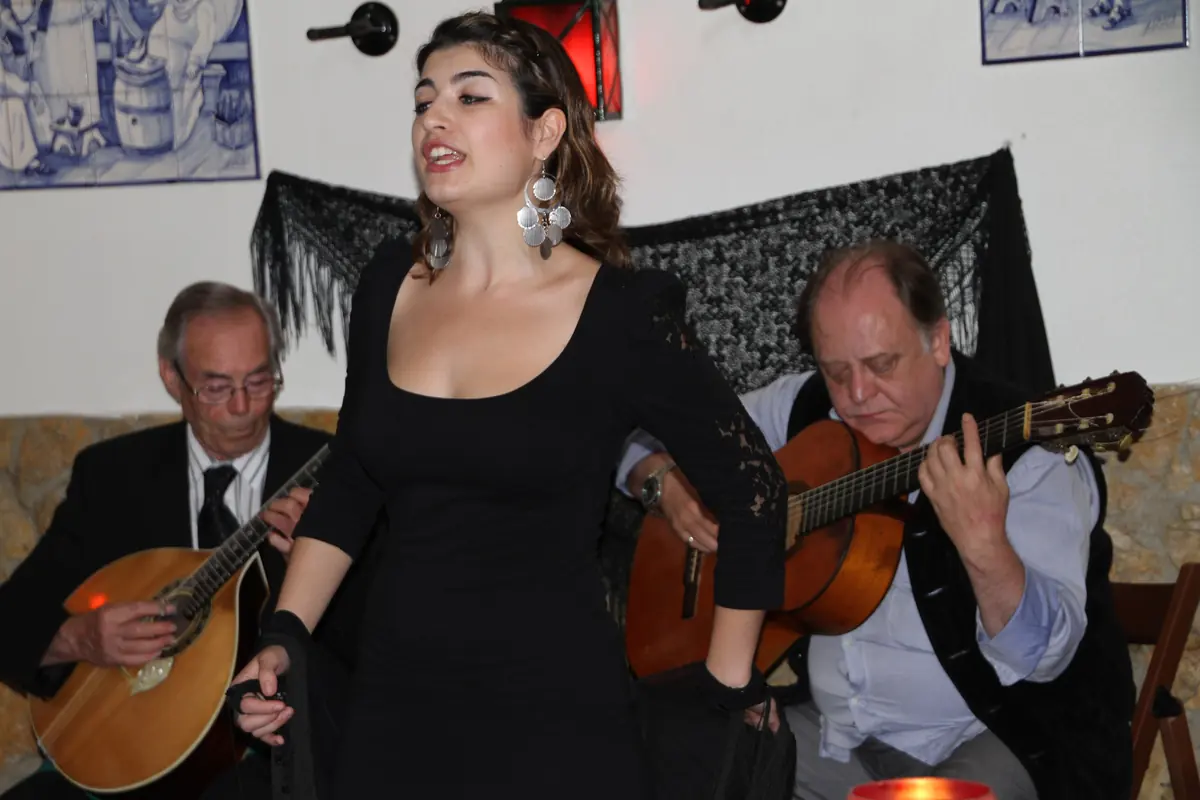
Yes for visitors who want fado with an evening built around it, and no for anyone who wants a short, seated concert. The tapas-and-fado night at the Associação do Fado Casto, on Rua de São Mamede below São Jorge Castle, is a three-hour evening of food, wine and live singing at long shared tables. What it buys you is time: time to settle, to hear more than one singer and to eat without leaving the room. What it asks of you is patience with benches, with strangers at your table and with silence while the songs run. This guide weighs the trade.
What a fado dinner is
A fado dinner is a meal in a fado house, a casa de fado, where the singing comes in sets and the food and drink arrive between the songs. Lonely Planet's guide to fado makes the point plainly: fado is not dinner entertainment, the meal is served during a break between songs, and service stops while a singer performs. That is the reverse of a restaurant with background music. Here the plates are petiscos, small dishes made for sharing with a drink, and the booking page says the ticket includes wine, soft drinks, spirits and cocktails. Nights vary, but the shape is steady: you find a place, plates and drinks begin to come, the lights drop, a singer stands, and the room eats and talks again in the gaps.
How it differs from a short show
A short show is a concert: one set, one sitting, usually without a full meal. Lonely Planet notes that one-hour fado concerts without a meal exist in Lisbon, for people who want the music and not the dinner. A fado dinner trades that brevity for atmosphere and variety. You watch the room fill, hear a run of singers and spend most of an evening in the kind of place where fado has long been sung: a house, a table and a few guitars. If your day is already full, the short show fits better.
- A fado dinner: about three hours at a table, with food and drinks between the songs
- A short fado concert: about an hour of music, without the meal
- A guided walk with dinner and fado: the district first, then the music
What the room adds
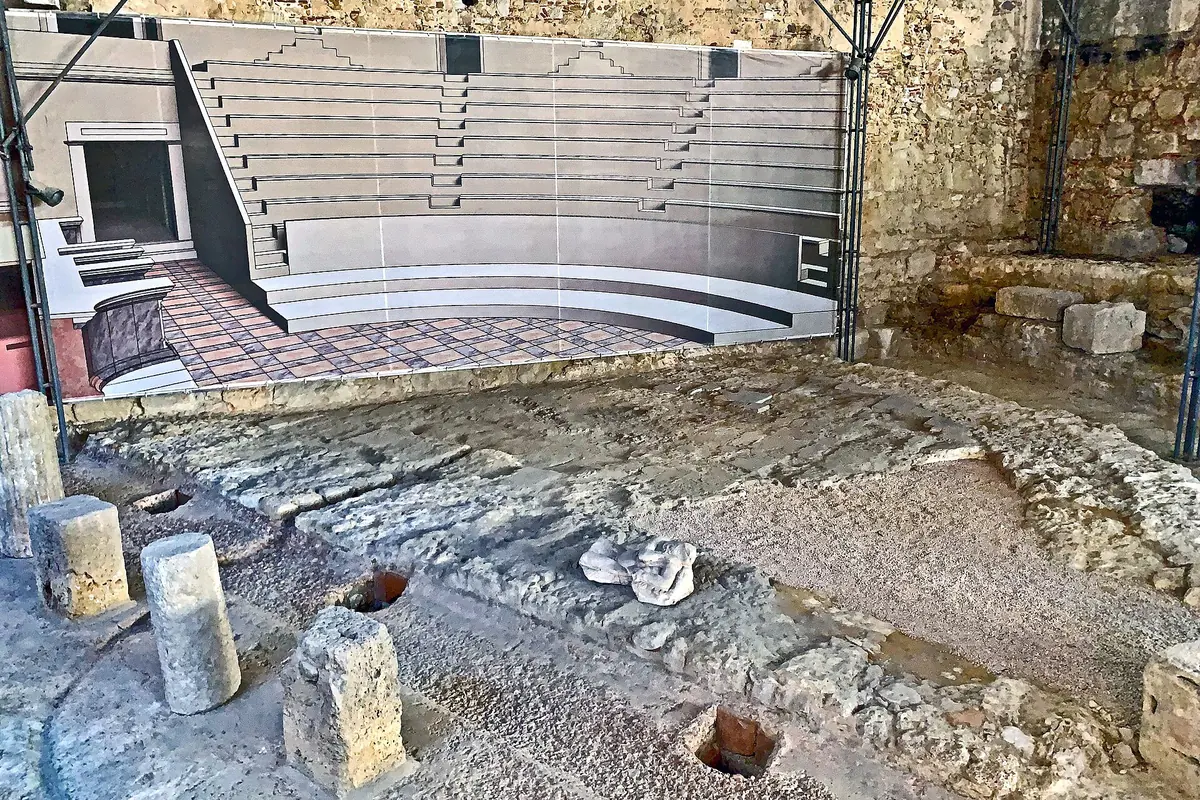
Turismo de Lisboa describes the house as an eighteenth-century palace built over the ancient Roman theatre on the hillside below the castle, with communal tables, dim lighting and walls covered in records. The booking page calls it a Pombaline building with high ceilings and original stone arches, and describes an Academy of Fado where singers of different generations perform on informal nights. For many guests the room is half the evening: stone, low light and a wall of vinyl, with the music in the middle of it.
What you eat and drink
The food is Portuguese finger food. The booking page names bean soup, peixinhos da horta, pataniscas and chouriço assado as examples, and menus change, so read the names as examples and not as a promise. Wikipedia describes peixinhos da horta as green beans in a wheat-flour batter, pataniscas as fritters usually made with shredded salt cod, and chouriço as a smoked pork sausage seasoned with paprika. Wine and soft drinks are included, and spirits and cocktails are listed too. Ask about dietary needs before you book, because the page lists none.
Who it suits
It suits visitors who want one place for the whole evening, groups who like to share plates, and anyone curious about fado who would rather hear several singers than one. It also suits people who like a room with some age in it. The booking page flags the evening as one that can sell out, so a dated booking made ahead is the safe way to go, and you can cancel at no cost well ahead.
- Visitors who want food, drink and music in one place
- Groups who like to share plates
- Anyone who would rather hear several singers than one
Who this isn't for
Skip it if you want a seat with a back for three hours: the booking page describes benches at long tables, and some guests find them uncomfortable. Skip it if stairs are a problem, because the booking page gives no accessibility information and one guest mentions candle-lit stairs, so put the question to the provider first. Skip it if you want a quiet conversation over dinner, since the room goes silent when a singer starts. Anyone who wants a short concert should pick that format instead, since it is a different thing altogether.
How to behave when the singing starts
Lonely Planet says fadistas require silence but will not ask for it directly: the cue is the lights going down and the guitarists striking up, and a fadista waits for the right atmosphere before starting. In practice that means finishing your sentence, pausing the pouring and the passing of plates, and waiting for the song to end before you talk again. Wikipedia notes that fado leans on rubato, with a held note and a gap at the end of a phrase, so a silence inside a song is not the end of it.
Read next: Fado etiquette for first-timers
Why the word academy matters
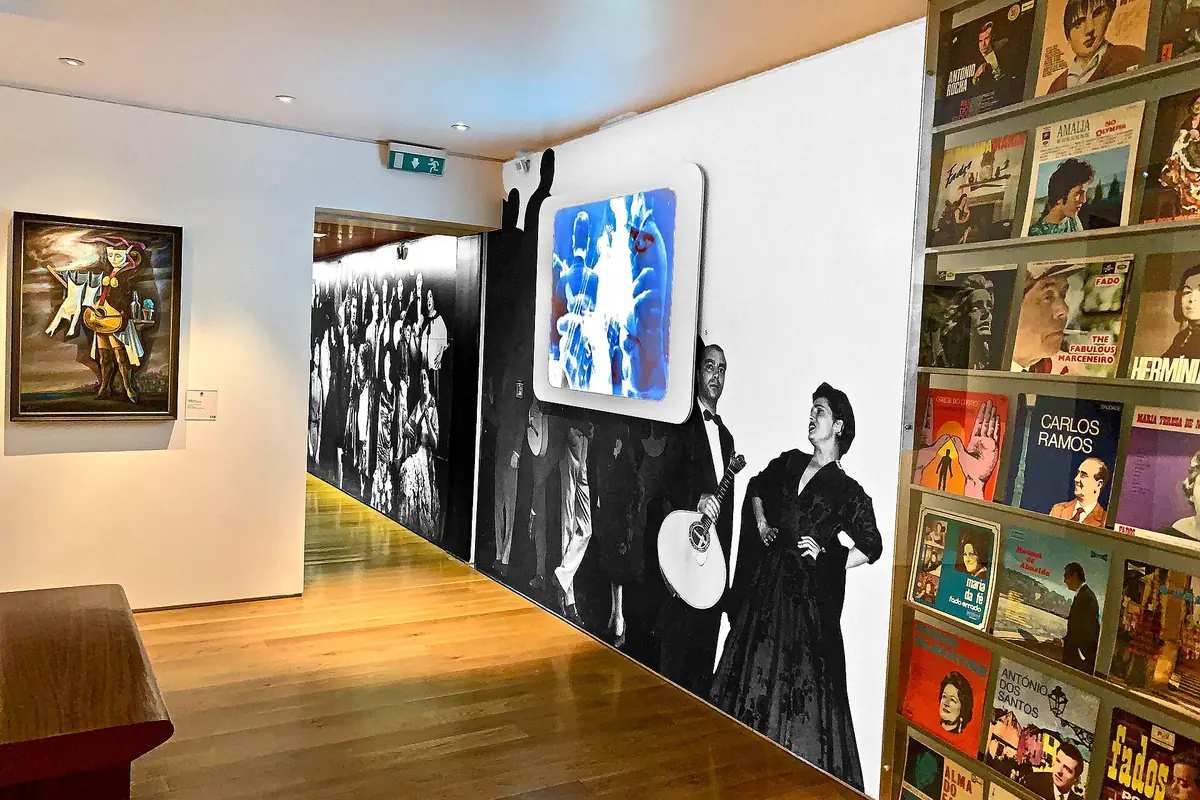
The booking page describes the house as an Academy of Fado, with musicians and singers of different generations on informal nights. That echoes UNESCO's account of fado: besides the concert circuit and small fado houses, it lives among amateurs in grassroots associations across the older parts of Lisbon, where respected elders teach informally and skills pass down through families. A house run as an association sits close to that tradition. It may mean a more informal night than a polished stage show, which is what some visitors come for.
A note on tourist traps
Lonely Planet warns that some once-reputable fado venues in Lisbon have become overpriced tourist traps, and that fado has been drifting into the visitor circuit. The sensible test is whether an evening gives what its booking page says it gives. This one promises the fado, the shared plates and the drinks, and the format is the usual one for a casa de fado: a few guitars, a singer a few metres away and a room that listens. Where it asks something of you is comfort, not music.
How to book and what to bring
Pick a date on the calendar, reserve now and pay later if you wish, and read your confirmation for the arrival details. The meeting point is R. de São Mamede 8A, 1100-532 Lisboa. Programmes change, so no booking can promise a particular singer or song. Wear shoes that grip on steep streets, plan your way home before the evening starts, and bring an appetite: this is a meal as much as a concert.
Frequently asked questions
Is a fado dinner in Lisbon worth it?
Yes, when you want an evening of food, drink and a run of singers at one table. A short concert, a seat with a back or a quiet meal would suit you better elsewhere.
Is a fado dinner a dinner or a show?
Both. The evening runs about three hours, with shared plates and drinks that arrive between songs, and live fado in sets.
How is a fado dinner different from a fado show?
A show is a concert, often about an hour and without a full meal. A dinner stretches to an evening, with food, drinks and a run of singers.
Should I book a fado dinner in advance?
Yes. The booking page flags this evening as one that can sell out, and you can cancel free until a day before.
Are drinks included?
The booking page lists wine and soft drinks as included, with spirits and cocktails also listed. Check the page for the terms on your date.
Is the seating comfortable?
It is plain. The tables are long and shared, the seats are benches, and some guests find benches without backs uncomfortable over three hours.
Sources
- Turismo de Lisboa: its page for the fado house on Rua de São Mamede
- Lonely Planet: guide to hearing fado in Lisbon, with etiquette
- UNESCO intangible heritage entry for fado, inscribed 2011
- Wikipedia article on fado, its origins and its two varieties
- Wikipedia article on the dish peixinhos da horta
- Wikipedia article on the fritters called pataniscas
- Wikipedia overview of Portuguese cooking, soups and sausages