Compare
Fado and tapas or an Alfama walk?
Fado and tapas at one table, or a guided Alfama walk with dinner and fado: how the two evenings differ and how to choose.
Book fado and tapas ↗Quick answer
Choose fado and tapas at one table if you want to sit down, eat and hear a run of singers without moving. Choose the guided Alfama walk with dinner and fado if you want the district explained first and do not mind a longer evening on foot. Neither is the better ticket in general. They sell different evenings, and the choice turns on walking, length and whether you want a guide.
The short answer
Fado and tapas at one table suits visitors who want to arrive, sit and stay. The guided Alfama walk with dinner and fado suits visitors who want a guide, the streets and the history before the music, and who are happy to be out for longer. Neither ticket is better across the board. Both end in a fado house, and both come with dinner. The difference is how you get there: by walking behind a guide, or by walking in once and staying put. Your legs, your evening and your appetite for explanation decide it.
What each ticket is
The tapas night is one venue: about three hours at the Associação do Fado Casto, with live fado, Portuguese finger food, wine, soft drinks, spirits and cocktails. The other ticket is listed on GetYourGuide as an Alfama tour with live fado and a traditional dinner, and its booking page gives about four hours for a guided walk, a dinner and a fado house. They are separate products from separate operators, and each page sets its own terms, so read the stops and inclusions on the walk's page before you compare.
- Fado and tapas: one venue, about three hours
- Alfama walk with dinner and fado: a guided walk, then dinner and fado, about four hours
Time and pace
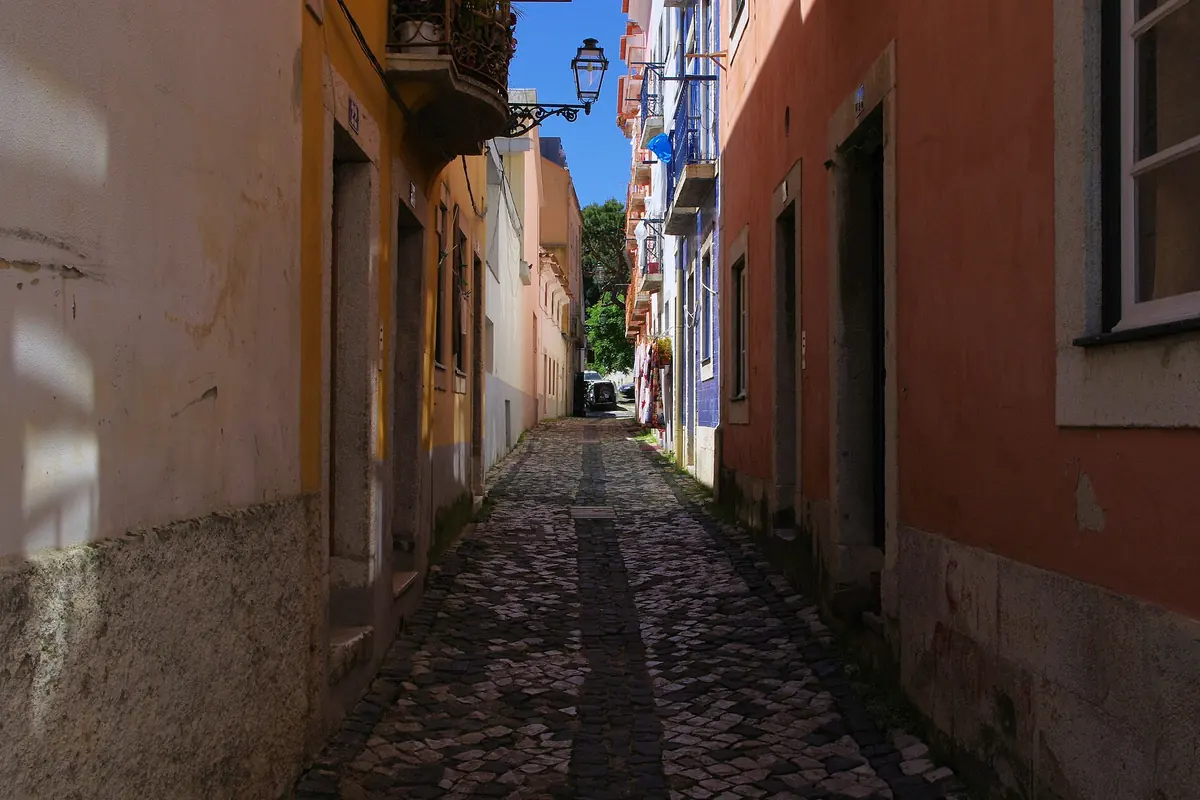
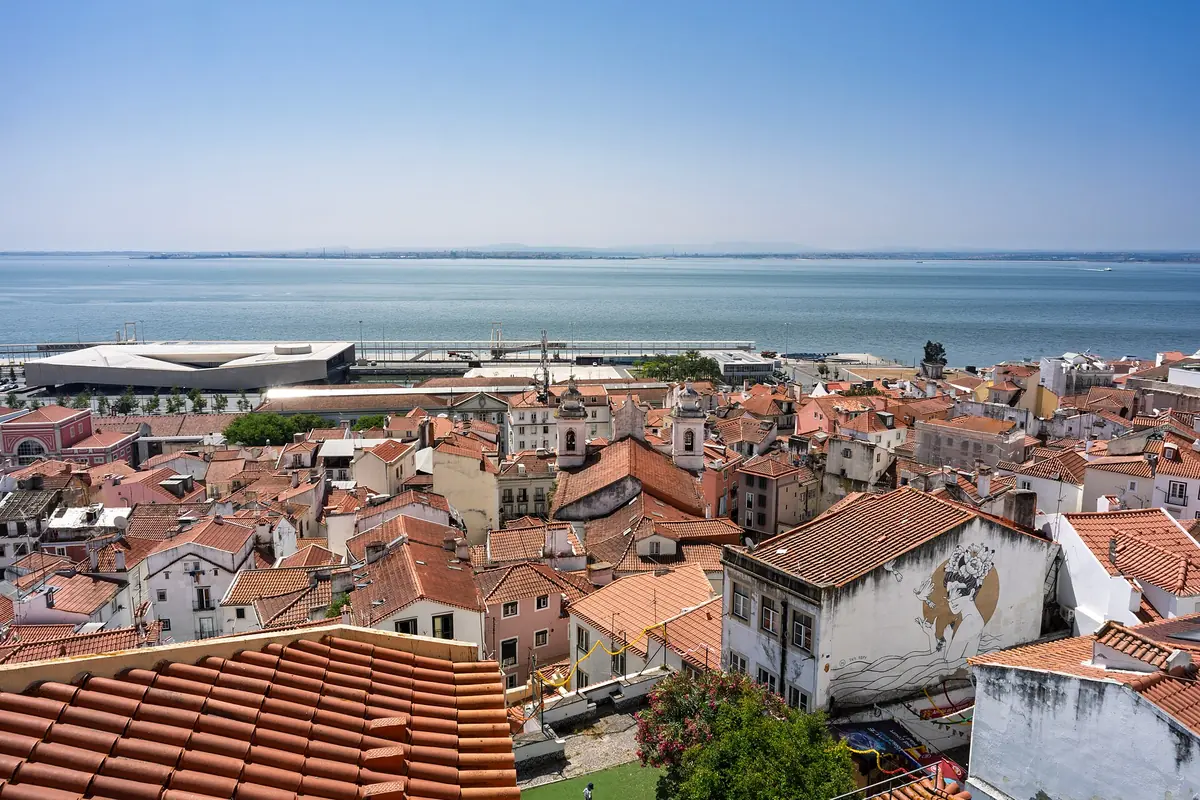
The walk adds time and distance. Wikipedia describes Alfama as a maze of narrow lanes and little squares, spread between São Jorge Castle and the river, and notes that the 1755 earthquake spared it. That makes for a good walk and a tiring one. The tapas night asks you to find one door and stay for the evening. If your legs are tired, the weather is poor or you have children who flag, a single table is the easier choice. If you like to walk, the walk gives the evening a shape.
What you learn along the way
A walk brings context. Wikipedia calls Alfama the city's oldest district and traces the name to an Arabic word for hot springs. A guide can point out what you pass and answer questions as you go. At a table you get less spoken context and more music. This site's guides to the history of fado and to the Roman theatre under the castle slope fill in some of that gap if you choose the table, and they are free to read before you go.
Read next: What is fado?
Food and drink
At the tapas night the food comes as shared plates, and the booking page lists wine, soft drinks, spirits and cocktails as included. The walk's booking page sets out its own menu and drinks, and it is the page to read for what is covered. In both cases the pattern in a fado house is the same, according to Lonely Planet: the meal is served between songs and service stops while a singer performs, so a dinner combined with fado pauses for the music. Check both pages for how drinks are handled before you compare the two on cost.
The room and the company
Both evenings put you in a fado house, not a concert hall, with a few guitars and a singer close to your seat. The tapas night has long communal tables, so you sit among other guests, and Turismo de Lisboa describes communal tables and dim lighting. On a guided walk you travel with a group and a guide, then sit for the dinner and the fado. If you want your own table and your own pace, check the walk's page for how guests are seated.
What Alfama gives a walker
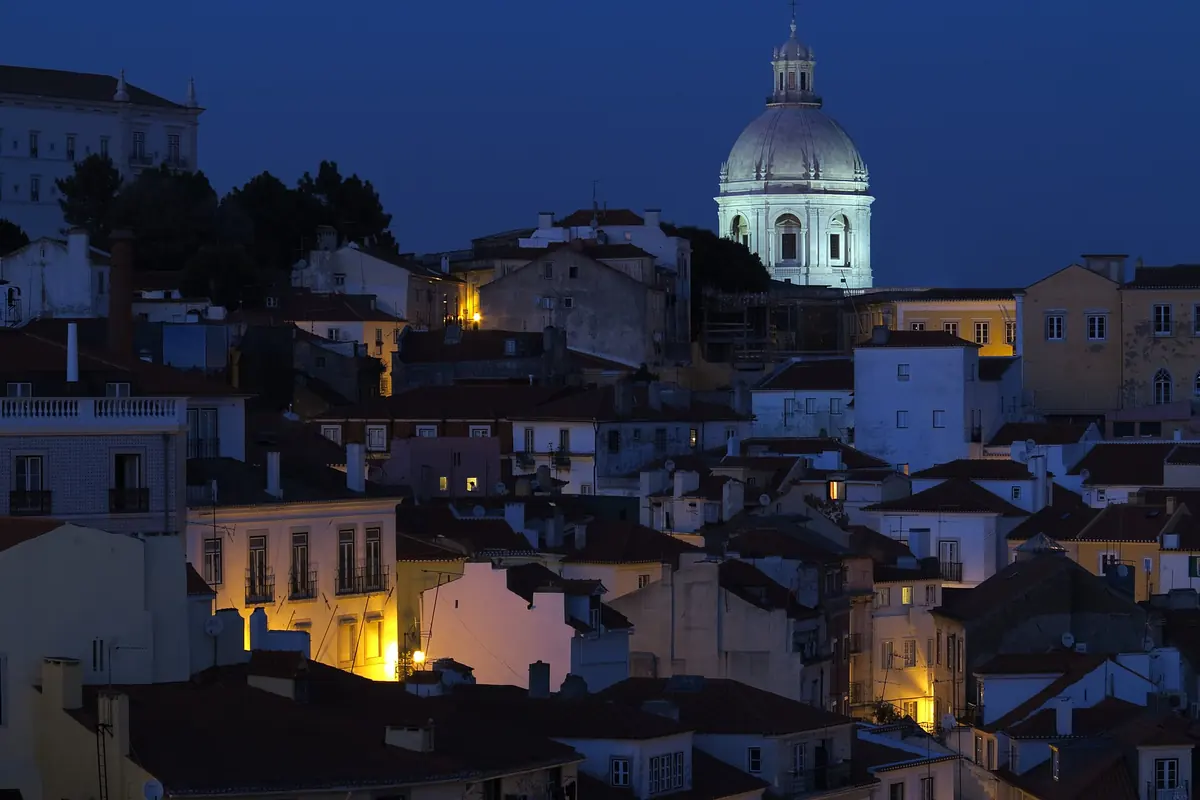
Wikipedia lists what a walk through Alfama can pass: the cathedral, the oldest church in the city, at the district's western edge; the Convent of Graça near the castle; São Vicente de Fora, a monastery with the Braganza royal tombs; and Santa Engrácia, now the National Pantheon. It also names the viewpoints of Santa Luzia and Portas do Sol. Which of these a given guided walk includes depends on its route, so read the walk's booking page and do not assume.
Comfort and access
The tapas night has benches at long tables, and some guests find benches without backs uncomfortable over three hours. Its booking page gives no accessibility information, and one guest mentions candle-lit stairs. A walk through Alfama means steep, narrow streets. For either ticket, ask through the booking page before you pay if mobility is a concern, and choose shoes that grip. Neither listing replaces a direct question about your own needs.
Who should pick which
Neither suits someone who wants an hour of music and an early night, because both stretch to an evening. Neither suits a visitor with a dinner booked elsewhere, or a very young child with a fixed bedtime. The walk is a poor fit for anyone who cannot manage hills for the better part of an evening, and the tapas night is a poor fit for anyone who cannot sit on a bench for three hours. And if you want the district without the music, a walk without fado is a separate product again. If you are unsure, the tapas night's booking page lets you cancel at no cost well ahead, which leaves room to change your mind.
- Pick fado and tapas if you want one room, little walking and drinks included
- Pick the walk if you want a guide, the district's story and a set route
- Pick a short concert if you want an hour of music and no meal
Who this isn't for
Neither suits someone who wants an hour of music and an early night, because both stretch to an evening. Neither suits a visitor with a dinner booked elsewhere, or a very young child with a fixed bedtime. And if you want the district without the music, a walk without fado is a separate product again. If you are unsure, the tapas night can be cancelled at no cost well ahead, which leaves room to change your mind.
Two questions to decide
Ask how long you can be out and how much you want to walk. A shorter evening with little walking points to the tapas night: you arrive, stay and walk home. A longer evening with a guide and some climbing points to the walk, with the fado at the end. Then check dates and cancellation terms on both booking pages, since the tapas night's booking page lets you cancel at no cost well ahead. You can also do both on different nights: the walk first, for the lie of the land, and the table later, for the music.
Frequently asked questions
Should I book fado and tapas or an Alfama walk with dinner?
Book fado and tapas for one room, little walking and drinks included. Book the walk for a guide and the district's history, in a longer evening.
How long is each evening?
The tapas night runs about three hours. The walk with dinner and fado runs about four hours, according to its booking page.
Is the Alfama walk hard on the legs?
It can be. Alfama is a hillside of narrow streets and small squares, so wear shoes that grip and ask the booking page about the route.
Do both evenings include dinner and fado?
Yes. Both combine dinner and live fado. The tapas night adds drinks as listed on its booking page; read the walk's page for its inclusions.
Can I do both on one trip?
Yes, on different nights. The walk gives the district's story, and the tapas night gives a long sit with the music.
Is a short fado show a better choice?
Only if you want about an hour of music and no meal. Lonely Planet notes that such concerts exist in Lisbon.
Sources
- Turismo de Lisboa: its page for the fado house on Rua de São Mamede
- Lonely Planet: guide to hearing fado in Lisbon, with etiquette
- Wikipedia article on the Alfama district and its landmarks
- Wikipedia article on the earthquake of 1755
- UNESCO intangible heritage entry for fado, inscribed 2011
- Wikipedia article on the Sé, Lisbon cathedral